Best Sales Engagement Platforms in 2026: The Top 8 Picks for Outbound Teams

For most outbound teams, the problem is not effort. Reps are working. They're just working in the wrong direction. According to Salesforce's State of Sales report, reps spend only 28% of their time on direct selling activity. The rest disappears into CRM updates, manual research, tool-switching, and follow-up coordination that a well-built platform should be handling.
The traditional sales engagement platform promised to fix this. It largely delivered on email sequencing. What it did not deliver was a unified platform. Today's average outbound stack includes a sequence tool, a standalone dialer, a data enrichment provider, a coaching platform, and a CRM that none of them talk to cleanly. The toggle tax is real, and it compounds daily across every rep on your team.
This guide ranks the best sales engagement platforms in 2026 for outbound teams evaluating which platforms actually consolidate execution rather than adding another layer to a fragmented stack. We evaluated AI sequencing depth, dialing integration, signal-driven prospecting, CRM architecture, and coaching feedback loops.
Key Takeaways
- Most platforms in this category started as email sequence builders. The best ones in 2026 connect sequencing to dialing, prospecting, and coaching in one platform so reps can execute multi-channel outbound without tool-switching.
- Nooks ranks first because it's the only AI-native platform where AI agents run outbound motions alongside human reps rather than just automating individual tasks.
- The toggle tax of switching between a sequence tool, a dialer, an enrichment provider, and a coaching platform costs high-volume outbound teams significant rep time every week.
- Choosing the right sales engagement platform requires evaluating CRM architecture, whether sequences adapt based on signals, and how coaching insights feed back into campaign execution, not just feature checklists.
8 Best Sales Engagement Platforms in 2026
1. Nooks: Best Overall for Intelligent Outbound
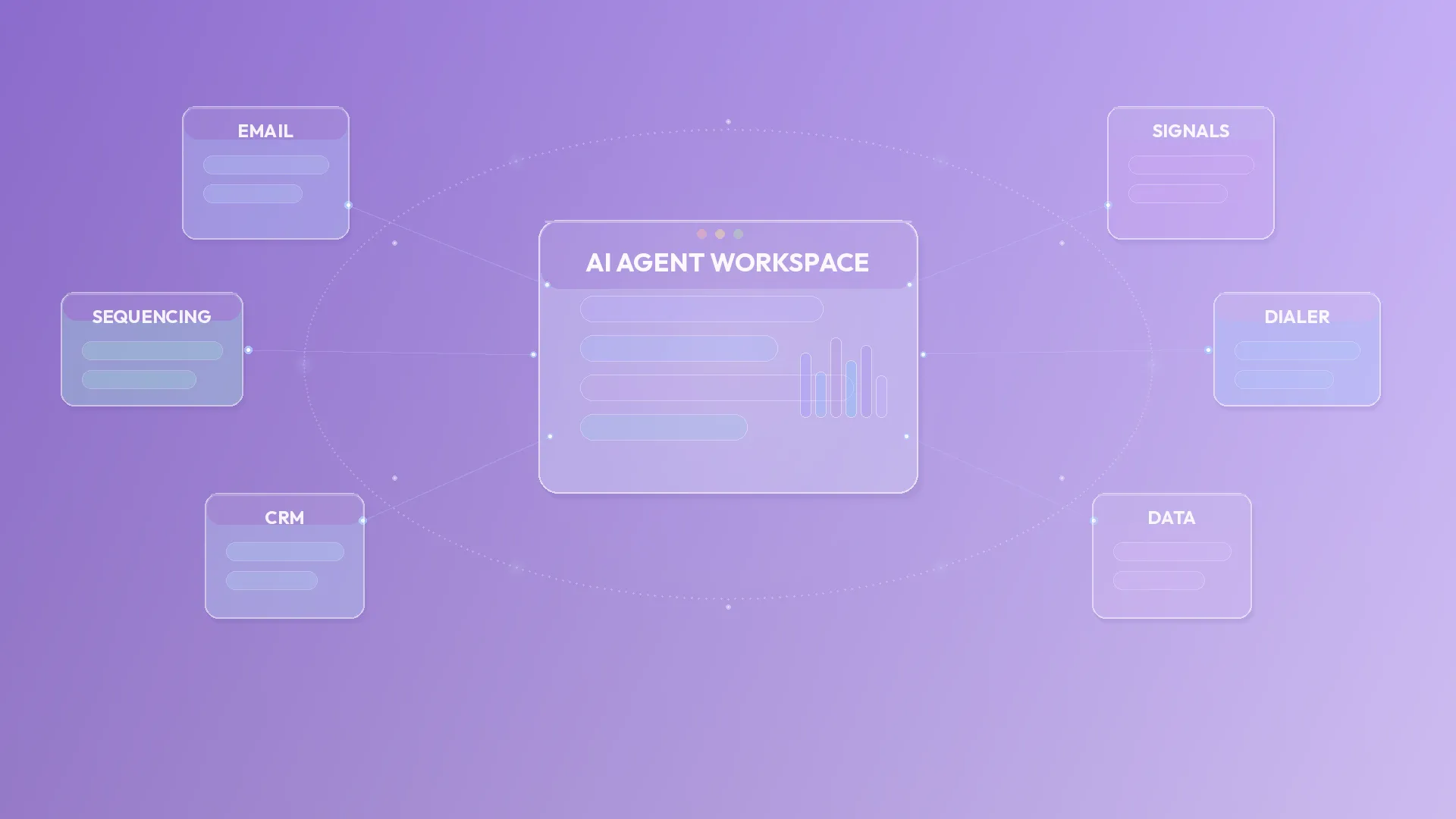
Nooks is the AI-native platform for sales built for intelligent outbound, connecting AI Sequencing, AI Dialer, AI Prospecting, and AI Coaching in one platform. AI agents custom-trained on your best reps' workflows run research, data enrichment, and sequence execution 24/7, so human reps can focus on what only humans do well: conversations and relationships.
Key features:
- AI agents custom-trained on your best reps' workflows handle research, enrichment, and sequence execution automatically, freeing reps to focus on live conversations rather than administrative setup between touches
- AI Sequencing pulls from unified account context across email, calls, SMS, and LinkedIn, using engagement signals and call outcomes to trigger next steps and improve messaging without manual configuration
- AI Dialer with parallel calling and spam protection connects reps to live prospects faster, with voicemail drop and real-time coaching available on every call
- CRM-first architecture keeps Salesforce and HubSpot as the single source of truth with real-time bidirectional sync, eliminating the shadow CRM complexity that builds up when engagement data lives in a separate system
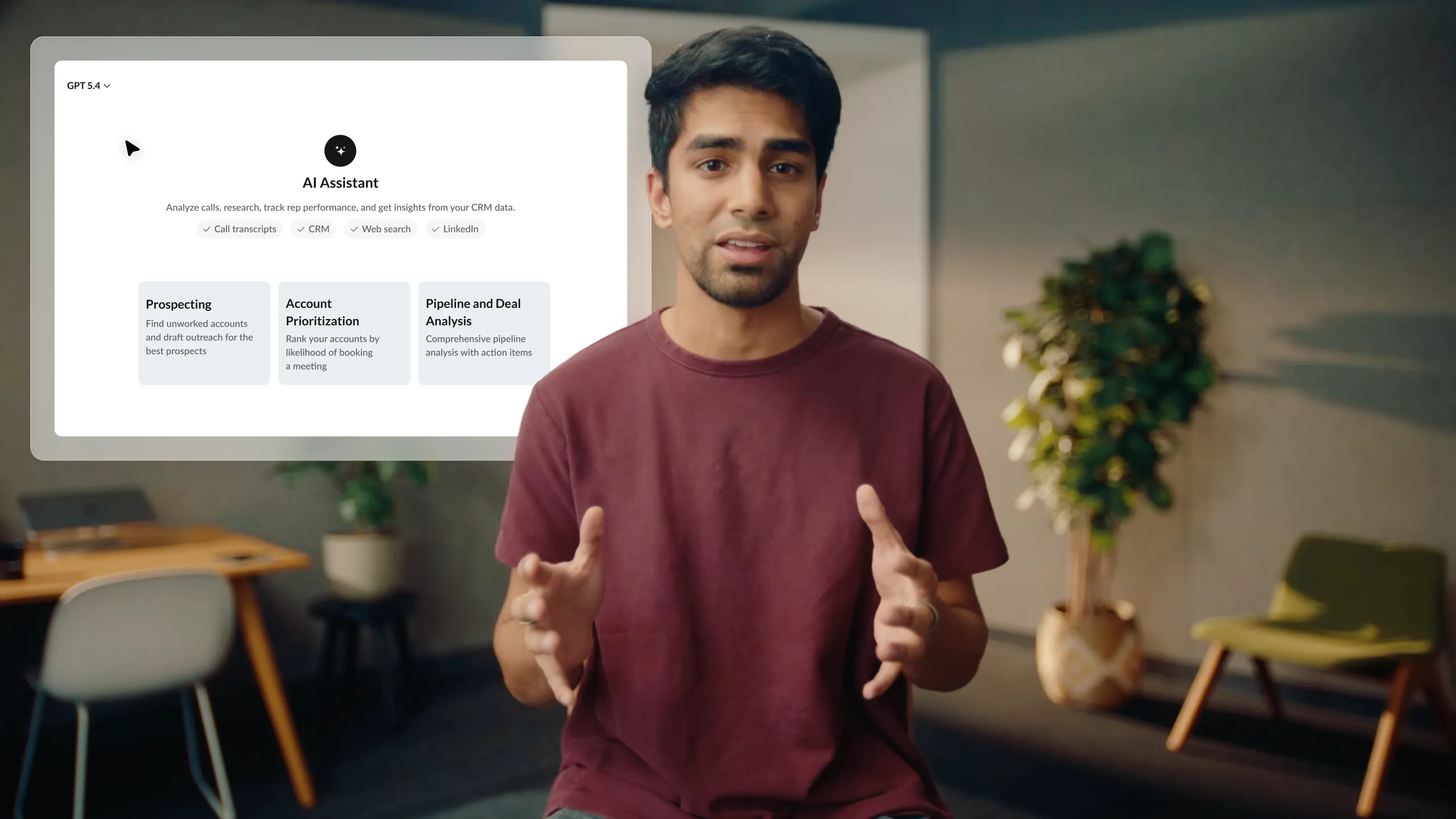
- AI Coaching with roleplay bots built from real call recordings lets reps practice objection handling between sessions, and call scoring highlights specific behaviors that improve with every conversation
Best for: Outbound teams that want sequencing, dialing, prospecting, and coaching running together in one AI-native platform rather than managed across a stack of disconnected tools.
HubSpot saw 67% more meetings per BDR after adopting AI Sequencing. Greenhouse increased pipeline by 70%. UserEvidence achieved 4x reply rates. Replit put 100% of their SDR team over quota — see how Nooks customers are hitting their numbers.
2. Outreach: Best for Task-Driven Workflow Management
Outreach is the platform that helped define the sequence category and remains widely used for structured, task-driven outbound. It provides deep workflow controls for teams running multi-step sequences and mature reporting features for visibility into execution across large rep teams.
Key features:
- Multi-step sequence builder supporting email, call, and task automation with granular scheduling and conditional step logic
- Task queue management for coordinating sequence execution across reps with visibility into activity completion rates and step timing
- Reporting dashboards for tracking sequence performance, rep activity, and engagement metrics at the team and individual level
Best for: Teams with dedicated RevOps support who need granular task controls, configurable workflow management, and deep reporting across structured outbound processes.
3. Salesloft: Best for Cadence Management with Revenue Intelligence
Salesloft provides cadence-based sequencing combined with Clari's revenue forecasting capabilities following their merger. It's used primarily by teams that want engagement tracking connected to deal pipeline visibility and revenue prediction in one system.
Key features:
- Cadence builder for organizing multi-step email and call sequences with activity tracking and step completion logging
- Clari integration connecting sequence engagement data to deal forecasting and pipeline inspection tools
- Email and calendar sync with automatic activity logging to Salesforce for revenue visibility across the team
Best for: Organizations that want sequence tracking connected to revenue forecasting and deal pipeline management, particularly teams where the same platform serves both SDRs and AEs.
4. Gong Engage: Best for Teams Already on Gong
Gong Engage is a sequencing layer built on top of Gong's conversation intelligence platform. It provides basic email sequence automation and task management primarily for account executives following up on existing relationships rather than running high-volume new outbound.
Key features:
- Simple email sequencing and task management integrated natively with Gong conversation intelligence
- Direct access to call recordings and deal insights from within the sequence workflow
- Deal-focused sequence tracking tied to Gong's revenue intelligence layer
Best for: Teams already using Gong for conversation intelligence who want lightweight sequencing for deal follow-up without adding a separate vendor and integration.
5. Apollo: Best for Early-Stage Teams Needing Data and Sequencing Together
Apollo is a sales intelligence platform combining a B2B contact database with basic sequence automation. It's primarily used by early-stage and SMB teams building initial outbound motions who need prospecting data and light sequencing in one place at an accessible price point.
Key features:
- B2B contact database with enrichment, filtering, and prospect search for building outbound lists without a separate data provider
- Basic email sequencing and dialing for running multi-touch campaigns before investing in dedicated engagement infrastructure
- Intent signal data and basic lead scoring for prioritizing outreach within the platform
Best for: Early-stage teams and smaller outbound organizations that need cost-effective prospecting data and simple sequence automation, and aren't yet at the point where dialing scale or coaching infrastructure is the constraint.
6. Lemlist: Best for Cold Email Deliverability and LinkedIn Outreach
Lemlist is a cold email and LinkedIn sequencing platform built around inbox placement and deliverability. It's designed for small teams and agencies running high-volume cold outreach who need email warming, deliverability monitoring, and LinkedIn automation together without a more complex engagement platform.
Key features:
- Email deliverability tools including email warming, spam testing, and placement monitoring to protect sender reputation at volume
- LinkedIn connection and message sequence automation for multi-channel cold outreach coordinated from one tool
- Visual personalization features for customizing email content at scale without manual editing per contact
Best for: Small teams or agencies prioritizing inbox placement and cold LinkedIn outreach at scale, without a need for advanced dialing or coaching capabilities.
7. HubSpot Sales Hub: Best for Teams Already Running HubSpot as CRM
HubSpot Sales Hub builds sequencing and calling directly into HubSpot's own CRM rather than syncing with it from a separate system. It's used primarily by teams that want engagement tools with no shadow-CRM reconciliation because the CRM and the engagement layer are the same product.
Key features:
- Multi-channel sequence automation that adapts to prospect engagement, built natively on HubSpot's Smart CRM records
- Power dialer with voicemail drop and automatic call logging back to the CRM contact record
- Breeze, HubSpot's AI prospecting agent, sources accounts and buying committees and hands off into sequence execution
Best for: Teams already standardized on HubSpot as their CRM who want sequencing and calling with zero shadow-CRM sync risk.
8. ZoomInfo: Best for Teams Prioritizing Data-Driven Targeting
ZoomInfo's engagement offering runs on top of its own B2B contact database and intent signals, and is most commonly deployed paired with Salesloft for the sequencing engine itself. The differentiator is the data layer feeding outreach decisions, not a standalone dialer or sequence builder.
Key features:
- GTM Data Universe signals (technographic, hiring, funding, and intent data) feeding directly into targeting and prioritization
- CRM enrichment that keeps contact and account records current without manual research
- Sequencing and calling delivered through a Salesloft integration rather than a native ZoomInfo engine
Best for: Teams that want outreach prioritization driven by ZoomInfo's own data rather than a separate enrichment provider, and are comfortable pairing it with another platform for sequencing execution.
How We Evaluated the Best Sales Engagement Platforms
We evaluated these platforms based on the criteria that determine how well they support high-volume outbound execution and continuous team improvement.
- AI sequencing depth and adaptability. Platforms that personalize at scale, trigger next steps based on engagement signals, and adapt messaging based on call outcomes outperform static sequence builders. We evaluated how much sequence intelligence lives in the platform versus what requires manual rep configuration.
- CRM integration architecture. Shadow CRM systems introduce data sync issues that compound at scale. We assessed whether platforms treat the CRM as the system of record or create a parallel database that requires reconciliation. CRM-first architecture matters more as team size and sequence volume grow.
- Multi-channel coordination from one platform. Effective outbound requires coordinated touches across email, calls, LinkedIn, and SMS. We evaluated whether reps can manage all channels from a single interface or must jump between tools to execute one complete outbound motion.
- Dialing and connect rate capabilities. Phone remains one of the highest-converting outbound channels. We assessed whether platforms include AI dialing, parallel calling, spam protection, and voicemail drop natively versus requiring a separate dialer integration.
- Signal-driven prospecting and prioritization. Platforms that surface buying signals, intent data, and engagement-based prioritization help reps focus their time on accounts most likely to convert. We evaluated how deeply signal intelligence is embedded in the sequencing workflow versus requiring a separate enrichment tool.
- Coaching and performance feedback loops. The best platforms surface insights from call performance back into sequence strategy. We assessed whether coaching capabilities are native to the platform or require a separate conversation intelligence tool to provide meaningful feedback.
How to Choose the Right Sales Engagement Platform
Selecting the right platform determines how much of your reps' time goes to actual conversations versus administrative coordination. The best systems reduce the number of tools in your stack, not the number of tasks on a checklist.
Prioritize Platforms That Unify Sequencing with Execution
When sequence management lives separately from calling and prospecting tools, reps waste time switching contexts during outbound sessions. Platforms that connect sequence orchestration with dialing and research help teams execute multi-channel touchpoints without losing momentum. A simple test: count how many tool switches a rep needs to complete one full outbound motion from research to first touch. Platforms that compress that number are the ones worth buying.
Evaluate Whether Sequences Adapt Based on Signals
Static sequences that follow predetermined steps regardless of prospect behavior miss the information you already have. Platforms that modify next steps based on email engagement, call outcomes, or buying intent create more relevant touchpoints at every stage of the sequence. If a prospect visits a pricing page and your sequence doesn't respond, your platform has a signal problem. Adaptive sequencing improves conversion rates by responding to how prospects actually engage rather than forcing them through rigid workflows.
Assess CRM Integration Architecture Before Committing
Ask vendors to walk you through exactly what gets logged automatically versus what requires manual input from reps. Platforms built CRM-first keep Salesforce or HubSpot as the authoritative system, ensuring sequence activity and engagement history stay consistent. Shadow CRM systems introduce data sync issues and duplicate records that compound as your team scales. This architecture detail reduces administrative overhead and gives managers accurate pipeline visibility without reconciling conflicting data sources.
Look for Multi-Channel Coordination, Not Just Email
Effective sequences coordinate touchpoints across email, calls, SMS, and LinkedIn based on prospect response patterns. Platforms that orchestrate multi-channel sequences from one workspace help reps maintain consistent messaging and timing across every touch. Unified channel management also makes it easier to understand which combinations drive the best outcomes, so you can improve future sequences based on real data rather than intuition.
Consider Whether Coaching Insights Feed Back into Sequences
Platforms that surface performance patterns from call outcomes and successful sequences let teams improve continuously rather than relying on periodic training sessions. When teams can identify which messaging, timing, and channel strategies correlate with meetings booked, future sequences become more effective over time. Ask vendors how coaching insights and call outcomes flow back into sequence recommendations. If the answer requires manual work to apply, the feedback loop is broken before it starts.
What Trends Are Driving Sales Engagement Platform Growth?
The category is moving in one direction: toward unified platformswhere AI handles execution overhead and humans focus on conversations. Three forces explain it.
AI agents are replacing manual task queues. The static cadence model, where reps manually advance prospects through predetermined steps, is giving way to AI agents that monitor signals, trigger plays, and adapt sequences in real time. Platforms built around task queues are adding AI on top. Platforms built AI-native from the start handle this differently because the architecture is different, not just the features.
Phone is back, and AI dialers are why. Connect rates on cold email have declined steadily as inboxes have become more competitive. AI parallel dialing and AI-assisted calling natively integrated into the sequencing workflow are helping outbound teams recover connect rates that email-only approaches could not sustain. Teams that treat the dialer as an afterthought are leaving their highest-converting channel underinvested.
Signal intelligence is becoming table stakes. The days of outbound starting from a static list are over. Buyers who visit pricing pages, change jobs, or expand their tech stack are showing intent, and outbound teams that catch those signals first win the conversation. Platforms that embed signal-driven prioritization directly into the sequencing workflow are outperforming those that rely on manual research or disconnected enrichment tools.
Final Thought: Nooks Ranks First for Sales Engagement in 2026
The best sales engagement platform for outbound teams in 2026 is the one that treats intelligent execution as the architecture, not a feature added later.
Nooks is built as a platform where AI Sequencing, AI Dialer, AI Prospecting, and AI Coaching work together from day one. There's no toggle tax, no shadow CRM, no separate coaching platform to manage alongside your sequence tool. AI agents handle the overhead, reps handle the conversations, and the system gets better with every call and every sequence run.
If your team is ready to see what intelligent outbound looks like in practice, request a demo.